
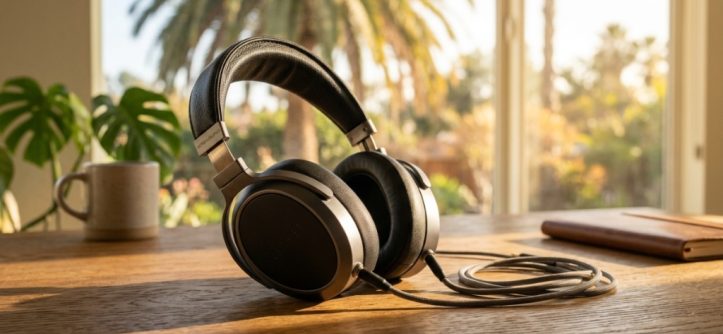
You live in California, where the cost of living is high but your love for music is higher. You dream of that rich, detailed, concert-hall sound, but your wallet is telling you to settle for tinny earbuds. The struggle is real. You want to hear every bass thump and vocal whisper without breaking the bank. Finding premium sound on a budget California is possible, but it requires cutting through the noise of overpriced marketing hype. This guide is your roadmap to audiophile-grade audio without the audiophile-sized price tag, tailored specifically for the Golden State lifestyle.
What Defines Premium Sound Without the Premium Price Tag?
Premium sound is not about the brand name or the price tag. It is about accurate frequency response, clear separation between instruments, and a soundstage that makes you feel like the band is playing in your living room. You can achieve this for under $150 by focusing on technical specs rather than flashy features.
Understanding Sound Quality Metrics
Look for headphones with a wide frequency range (20Hz–20kHz is standard, but 5Hz–40kHz indicates better headroom). Impedance between 16–32 ohms ensures your smartphone can drive them effectively. Sensitivity above 100dB means you get loud volume without distortion. These numbers define true premium sound on a budget California.
The Myth of “You Get What You Pay For” in Audio
While $500 headphones often sound better than $20 ones, the law of diminishing returns kicks in hard around $100. Many budget models now use the same DAC chips and driver materials found in mid-range gear. Brands like Moondrop, Truthear, and Koss prove that value engineering can beat overpriced marketing.
Active vs. Passive Noise Cancellation Trade-Offs
Active noise cancellation (ANC) adds cost and battery drain. Passive isolation from well-designed earcups delivers 90% of the experience for half the price. For commuting on the BART or LA Metro, good passive isolation often beats budget ANC that introduces hissing or pressure.
Why Is California’s Lifestyle Perfect for Budget Audiophile Gear?
California’s diverse environments—from crowded city streets to quiet mountain trails—demand versatile audio gear. The warm climate also means you need durable, sweat-resistant materials. Budget gear often adapts better to this lifestyle than fragile luxury models.
Outdoor and Gym Durability Requirements
Portable devices in California face heat, dust, and humidity. Look for IPX4 water resistance and cables with reinforced strain relief. Budget IEMs (in-ear monitors) with detachable cables are perfect here because you can replace the cable if it fails, rather than throwing away the whole device.
The Commuter’s Need for Isolation
Traffic noise, construction, and crowded buses mean you need isolation, not just loud volume. Foam eartips ($5 replacement) can turn a $30 IEM into a $200 noise-isolating experience. Many budget models now include multiple tip sizes to help you achieve this seal.
Storage and Portability Challenges
Small apartments and constant movement mean bulky over-ear headphones are often impractical. Budget-friendly true wireless earbuds and ultra-lightweight on-ear designs offer premium sound on a budget California without taking up your entire bag space. Look for foldable or compact cases.
Which Audio Components Should You Prioritize Over Brand Names?
When your budget is tight, allocating money to the driver and tuning is more important than the logo on the side. A well-tuned dynamic driver from a lesser-known brand will always beat a mediocre driver from a famous brand.
Driver Type: Dynamic vs. Balanced Armature
Dynamic drivers are best for bass impact and fullness. Balanced armature drivers excel in treble detail and clarity. Hybrid sets (one dynamic + one balanced armature) offer the best of both worlds. Many budget Chinese brands use hybrid drivers that cost less than single-driver models from Western brands.
Comparison Table: Driver Types for Budget Sound
| Driver Type | Best For | Budget Price Range | Example Models |
|---|---|---|---|
| Dynamic | Rock, Pop, EDM | $20–$80 | Koss KSC75, Moondrop Chu II |
| Balanced Armature | Classical, Acoustic, Vocals | $40–$100 | Shure SE215, Fiio FH1 |
| Hybrid | All-round versatility | $50–$150 | Truthear Hexa, KZ ZS10 Pro X |
Frequency Response Tuning
A neutral-bright signature is often considered technically superior, but slight bass boost (Harman target) is more fun for everyday listening. Budget headphones that follow the Harman target usually sound more premium than expensive models with weird tuning. Check online measurements on sites like Crinacle or AutoEQ,
While finding the right audio gear at the right price depends heavily on your location, major brands offer distinct regional buying strategies. If you are traveling coast-to-coast or looking to pick up specific noise-canceling models on the Eastern Seaboard, check out our localized guide on How to Buy Bose QuietComfort Headphones in New York to secure the best bi-coastal tech deals.
Cable and Build Quality Importance
Detachable cables are non-negotiable for budget longevity. 2-pin connectors are more durable than MMCX. Braided cables resist tangling. A metal nozzle on an IEM prevents breaking when you drop it. These small details separate long-lasting budget gear from disposable junk.
How Can You Maximize Audio Quality Without Spending More?
You don’t need a new headphone to get better sound. Often, your existing gear is being held back by poor sources or settings. Free software and simple hardware changes can instantly elevate your audio experience.
Use a USB-C Dongle DAC (Digital-to-Analog Converter)
Most smartphones and laptops have noisy headphone jacks. A $10 USB-C dongle DAC (like the Apple USB-C to 3.5mm adapter) provides a clean, high-resolution signal. This single $10 investment can make a $50 headphone sound like a $100 one by eliminating background hiss and distortion.
Apply Equalizer (EQ) Tuning
Use free apps like Wavelet (Android), Equalizer APO (Windows), or the built-in macOS Audio MIDI Setup to adjust frequencies. Boost the sub-bass by 2–3 dB and slightly scoop the mid-bass for cleaner sound. Reducing the 2–4 kHz region can tame harsh treble on budget headphones. This is pure, free premium sound on a budget California.
Choose the Right Earpads or Eartips
Earpads dramatically change sound. Velour pads reduce bass but improve airiness; leather pads increase bass and isolation. For IEMs, silicone tips boost treble, while foam tips add bass and isolation. A $5 set of foam eartips can salvage a pair of earbuds you already own.
Can Wireless Headphones Deliver True Premium Sound on a Budget?
Yes, but you must understand the limitations of Bluetooth codecs. Older SBC codec cannot transmit high-resolution audio. Better codecs like LDAC, aptX HD, or AAC are essential for wireless premium sound on a budget California.
Bluetooth Codec Comparison for Budget Models
SBC is universal but lowest quality. AAC is great for iPhones. aptX and LDAC are better for Android. Budget headphones that support LDAC (like the Soundcore Space A40) can sound nearly as good as wired $150 headphones. Check your phone’s codec support before buying.
Battery Life vs. Sound Quality Trade-Off
Longer battery life often means larger drivers and heavier housings that compromise comfort. Aim for 7–10 hours of playback per charge. Over 12 hours often means terrible ergonomics. Budget models with replaceable earbuds (like the Nothing Ear (stick)) allow for charging on the go without a case.
Latency and Gaming Performance
Bluetooth latency can ruin movies and games. Look for models with aptX Low Latency or a dedicated gaming mode (under 60ms latency). Budget brands like Anker and 1More now include this feature for under $100. Wired headphones still win for zero-latency gaming.
Where to Find Hidden Deals for Audiophile-Grade Sound in California?
California has a thriving second-hand market and liquidation centers where budget audiophiles thrive. Physical stores and specialty online communities often have better deals than Amazon.
Thrift Stores and Garage Sales
Check thrift stores in wealthier neighborhoods like Palo Alto or Beverly Hills. Audiophiles often donate high-end gear. Look for brands like Sennheiser, Beyerdynamic, or Grado. Test for static (driver damage) and cable function before buying. You can find $200 headphones for $10.
Online Marketplaces with Buyer Protection
Use Facebook Marketplace or Craigslist with caution. OfferUp has buyer protection. Search for “monitor headphones” or “IEMs” instead of “premium sound” to find professional gear less likely to be counterfeited. Always meet in a safe public place and test with a known track.
California Audio Shows and Meetups
Attend local audio meets (check Head-Fi.org forums for California events). You can listen to high-end gear for free, meet sellers, and buy used gear directly. Many enthusiasts sell their upgrades at these meetups for incredible prices, allowing you to experience true premium sound on a budget California.
What Are the Best Value-for-Money Headphone Brands for Californians?
Several brands have built reputations specifically for delivering high-fidelity sound at low prices. These brands focus on engineering over marketing, making them ideal for budget-conscious audiophiles in California.
Moondrop: The Benchmark for Tuning
Moondrop’s Chu II ($20) and Aria ($80) are legendary for their neutral-bright tuning detail. They are built in China, cutting out middlemen. The Aria uses a polymer diaphragm that competes with $200 Sennheisers. Perfect for both music and podcast clarity.
Soundcore by Anker: Feature-Rich Wireless
Soundcore’s Liberty 4 NC ($100) offers LDAC support, good ANC, and a customizable EQ. Their Space A40 ($80) is tiny yet powerful. Anker’s extensive warranty and California-based customer service make them a safe bet for local shoppers.
Koss: The American Value Champion
Koss has been making excellent budget headphones for decades. The Koss Porta Pro ($40) and KSC75 ($20) are iconic for their open, airy sound. Their lifetime warranty (you pay $9 shipping for a replacement) is unbeatable for value. They are lightweight and perfect for California summers.
Which Wired Models Offer the Best Premium Sound for Under $100?
Wired headphones still offer the best price-to-performance ratio. You avoid Bluetooth costs, battery complications, and codec limitations. Here are the top three wired models that deliver true audiophile quality on a California budget.
Truthear Hexa: The King of Under $80
The Hexa uses a hybrid driver setup (one dynamic, two balanced armatures). It delivers a balanced, highly detailed sound with excellent imaging. The metal build is durable. It is the most recommended budget IEM on forums for a reason. It sounds like $300 gear.
Sennheiser HD 560S: Open-Back Excellence
For home listening, the HD 560S ($100–$130 on sale) provides a massive soundstage and neutral reference sound. It is over-ear and very comfortable for long listening sessions. It requires a DAC dongle for best results but offers unbeatable clarity for its price in California homes.
Fiio FD3: Dynamic Driver Warmth
If you prefer bass and warmth without distortion, the Fiio FD3 ($90) uses a beryllium-coated dynamic driver. It has a detachable cable and comes with multiple tuning nozzles. This gives you incredible flexibility to adjust the sound signature to your preference.
Is There a Real Difference Between Budget and High-End Cables?
For the average listener, there is no audible difference in cables beyond the analog connection quality. Expensive cables are often a waste of money for those seeking premium sound on a budget California. Focus on build durability rather than gold-plated purity.
When Cheap Cables Hurt Sound Quality
Poorly shielded cables can pick up electromagnetic interference from phones or laptops, causing buzzing. Thin cables can break internally, causing one side to cut out. Always buy cables with oxygen-free copper and braided shielding. A $10 replacement cable is usually sufficient.
Upgrade Path: Cables Are the Last Priority
Never spend more than 10% of your headphone cost on a cable. Only upgrade if your stock cable is broken, too stiff, or too microphonic (rustling noise when moving). The law of diminishing returns is extreme here; a $100 cable offers no audible benefit over a $20 one.
Connector Type Matters More
2-pin (0.78mm) connectors are more durable and have fewer failure points than MMCX connectors. If you plan to upgrade cables, choose a headphone with 2-pin connectors. This future-proofs your budget setup without spending on adapters.
How to Test Headphones for Premium Sound Before Buying in California?
Many California Best Buy and Micro Center locations have listening stations for high-end gear (though budget models are usually not displayed). You can still test the signature and comfort. For online purchases, use systematic testing.
The 5-Track Test Protocol
Use these specific tracks on your phone: “Boom Boom Pow” (bass), “Hallelujah” by Jeff Buckley (vocals), “Take Five” (soundstage), “Hotel California” (instrument separation), and white noise (hiss test). If a headphone sounds good on all five, it is a winner for premium sound on a budget California.
Check for Driver Imbalance
Play a mono track (like “Little Wing” by Jimi Hendrix) at low volume. If the sound seems to pull left or right, the drivers are mismatched. This is common on ultra-budget gear and ruins the soundstage. Return immediately if you detect imbalance.
Physical Comfort Test
Wear headphones for 30 minutes without audio. Clamping force should be moderate. Over-ear pads should not touch your ears. IEMs should not cause pain after 20 minutes. California’s warm weather means velour or mesh pads are better than leather which makes your ears sweat.
Frequently Asked Questions
Can I get audiophile sound for under $50?
Yes, absolutely. The Moondrop Chu II ($20) and Koss KSC75 ($20) are widely considered audiophile-quality for their price. They offer accurate tuning and good detail retrieval, though they cannot match the bass impact or soundstage of $200 models. They are the best value in audio.
Are expensive cables worth it for budget headphones?
No, not for sound quality. Expensive cables do not improve audio transmission beyond a basic oxygen-free copper cable. Only upgrade if your stock cable is broken or uncomfortable. Spend your money on better eartips, a DAC dongle, or saving for a better headphone instead.
Is active noise cancellation necessary for premium sound?
Not for sound quality itself. ANC adds cost and can degrade audio quality due to processing. Good passive isolation from foam eartips or tight over-ear pads blocks 90% of ambient noise. Save ANC for noisy commutes, but do not expect it to deliver better sound.
What is the best Bluetooth codec for budget Android phones?
LDAC is the best if your phone supports it (most Android 8.0+ do). Otherwise, aptX HD is excellent. AAC is good but inconsistent on Android. Avoid budget headphones that only support SBC if you care about sound quality when listening to high-resolution streaming.
Can I trust online reviews for budget headphones?
Yes, but use trusted sources. Look for reviews from communities like r/headphones, Head-Fi, or professional reviewers like Crinacle and Super* Review. Avoid paid influencer reviews. Focus on frequency response measurements and objective comparisons rather than emotional language like “game-changing.”
How do I avoid counterfeit headphones on a budget?
Buy only from authorized retailers like Amazon (sold by brand store), Best Buy, or directly from the brand’s website. Be wary of deals that seem too good. Counterfeit Koss and Shure models are common. Check serial numbers and packaging quality. A $30 “Sennheiser” is almost certainly fake.
Does a DAC dongle really improve sound on a phone?
Yes, significantly. Most phone headphone jacks have high output impedance and noise floor. A $10 Apple or $20 Moondrop Dawn Pro dongle provides a clean, powerful signal. This removes hissing, improves dynamic range, and makes quiet details audible. It is the best $10 you can spend on audio.
Conclusion
Getting premium sound on a budget in California is not a fantasy—it is a deliberate strategy of prioritizing performance over branding. You now know that a $20 Moondrop Chu II with a $10 DAC dongle and free EQ app can rival setups costing ten times as much. Remember to focus on driver quality, detachable cables, and proper tips for isolation. Use California’s thrift stores and online communities to find hidden gems. Your next step is simple: take this guide, find a pair of the recommended budget models like the Truthear Hexa or Koss KSC75, and experience the difference yourself. Do not let the price tag fool you; true audio quality is available to everyone. Start your journey toward premium sound on a budget California today by exploring the best affordable wireless headphones, like those listed at premium sound on a budget California.




Leave a Reply