
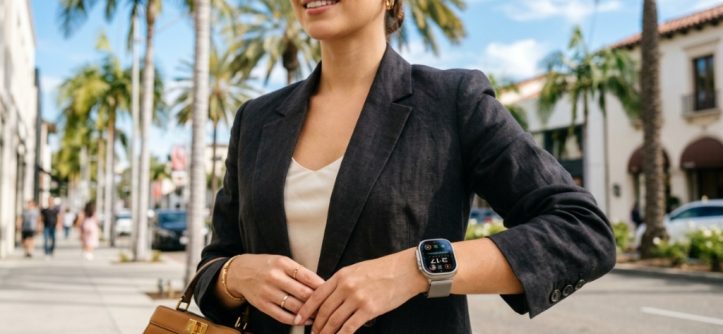
You’ve finally decided to upgrade from a fitness band to a statement piece that tracks your health and complements your lifestyle. But here’s the dilemma: with California’s diverse climate—from foggy San Francisco mornings to blazing Palm Springs afternoons—and the state’s fast-paced, trend-setting culture, selecting the wrong luxury smartwatch can feel like a costly compromise. You need a device that balances cutting-edge tech, durable design, and high-end aesthetics without being just another piece of glass on your wrist. This guide is designed to cut through the marketing noise, helping you make a confident, informed investment in 2026 that aligns perfectly with how you live, work, and play in the Golden State.
What Defines a “Luxury” Smartwatch in the Current Market?
In 2026, a luxury smartwatch is no longer just about a gold case or a leather strap. It’s a convergence of premium materials, advanced health sensors, exclusive software experiences, and exceptional after-sales service. The true definition has shifted from “expensive gadget” to “high-end wearable investment.”
The Shift from Fashion Accessory to Medical-Grade Wellness Tool
Today’s top-tier models offer sensors that monitor blood pressure, ECG, sleep apnea, and even stress levels with clinical accuracy. Brands like Apple, Garmin, and Withings have integrated features that previously required a doctor’s visit. When selecting a luxury device, you are paying for certified algorithms and precision, which matter infinitely more than a diamond bezel.
The Role of Exclusivity and Brand Heritage
Luxury also implies scarcity and brand story. Swiss-made movements are being replaced by Swiss-designed software that promises longevity. Brands like TAG Heuer and Montblanc leverage their horological history to offer digital interfaces that mimic analog dials, appealing to traditionalists who want modern functionality without sacrificing classic looks.
Why Material Quality Dictates Long-Term Value
Titanium, ceramic, and sapphire crystal are non-negotiable for the California lifestyle. Aluminum scratches easily, and standard glass cracks under pressure. A luxury watch must withstand ocean spray, desert heat, and accidental drops while maintaining a pristine finish for years. Look for aerospace-grade alloys and scratch-proof screens as your baseline standard.
Why Does California’s Unique Lifestyle Impact Your Smartwatch Choice?
California isn’t one climate; it’s a collection of micro-environments. Your smartwatch must seamlessly transition from the snowy slopes of Lake Tahoe to the humid beaches of San Diego. This adaptability is the single most critical factor that separates a good purchase from a great one.
Navigating Coastal Humidity and Saltwater Exposure
Salt air is corrosive. If you surf, sail, or run along the coast, you need a watch with high water resistance (at least 10 ATM) and corrosion-resistant materials. Regular stainless steel can pit over time; titanium or specialized polymer composites are far superior for coastal living.
Heat Tolerance for Inland Valleys and Desert Escapes
In places like Sacramento or Palm Springs, summer temperatures can exceed 110°F. Your watch screen must remain readable in direct sunlight, and the battery must handle high brightness without draining rapidly. OLED screens are great, but some newer reflective LCDs used in luxury sports watches offer better outdoor visibility, For a complete tech setup on your outdoor excursions, pair your new timepiece with the best Wireless Earbuds with Long Battery to enjoy uninterrupted audio on the go.
Battery Life vs. The “Always-On” Display Dilemma
Californians are constantly on the move. If you’re hiking in Yosemite for two days without a charger, a watch with a 24-hour battery is useless. Decide early if you prefer a daily charging routine (like an Apple Watch Ultra) or a multi-week battery life (like a Garmin or hybrid smartwatch). This choice defines your entire user experience.
How Do You Match Smartwatch Features to Your Specific Daily Routine?
Start by writing a list of your weekly activities—not the ones you wish you did, but the ones you actually do. This reality check prevents you from paying for features you will never use. Specificity is your best friend here.
For the Remote Tech Worker in Silicon Valley
You need seamless integration with your ecosystem (iOS or Android), excellent notification management, and the ability to take calls from your wrist. Battery life is less critical because you’re at a desk, but focus on noise-canceling microphones for clear calls and apps for calendar and email management. A sleek, minimalist design that fits under a dress shirt is essential.
For the Weekend Hiker and Trail Runner
Prioritize GPS accuracy (dual-band GPS is a must), topographic map downloads, and safety features like crash detection and live tracking. You need a robust build with a physical button that works with gloves. If you’re in the Sierra Nevada, an LED flashlight is surprisingly one of the most underrated features.
For the Los Angeles Socialite and Trendsetter
Here, aesthetics reign supreme. You want interchangeable straps, customizable watch faces, and a body that pairs with evening wear. However, don’t sacrifice the camera shutter remote control feature—it’s a game-changer for capturing group photos at events, and it remains a favorite among social circles in 2026.
Which Materials and Builds Offer the Best Durability for California Weather?
Durability isn’t just about toughness; it’s about surviving the specific chemical and physical stressors present in California. Choosing the right material ensures your watch looks new for years, preserving both its function and resale value.
Titanium Alloys vs. Grade 5 Titanium vs. Ceramic
Grade 5 titanium is incredibly strong, lightweight, and hypoallergenic, making it the gold standard for sports luxury watches. Ceramic is scratch-proof but can shatter on hard impact. Avoid polished steel if you plan to spend time near the ocean; the high polish will show micro-scratches easily. Consider a matte or brushed titanium finish for low maintenance.
Sapphire Crystal vs. Gorilla Glass vs. Mineral Glass
Sapphire crystal is virtually scratch-proof—only a diamond can scratch it. However, it can be more brittle than glass. If you are prone to dropping your watch, a slightly thicker sapphire with a “DLC” (Diamond-Like Carbon) coating is the smartest choice. This combination offers both scratch resistance and impact resistance.
The Integrated Lug Design and Strap Compatibility
Luxury watches in 2026 are moving towards proprietary strap systems that are both safer and easier to swap. While a flush-fitting metal link bracelet looks premium, it often doesn’t handle heat well. Look for models that offer a “FKM” rubber strap option for gym days and a titanium or leather option for formal occasions. Quick-release levers are non-negotiable for convenience.
Can a Luxury Smartwatch Replace Your Dedicated Fitness Tracker?
Yes, for the vast majority of users, a modern luxury smartwatch negates the need for a separate fitness band. In 2026, the sensor accuracy gap between dedicated trackers and luxury watches has narrowed significantly. The main difference is now in the software and training insights.
Recovery Metrics and Readiness Scores
Luxury brands like Garmin and Oura (in collaboration with partners) offer advanced recovery metrics that tell you when to push hard and when to rest. This is not just step counting; it’ses HRV (Heart Rate Variability) analysis. This data is crucial for those who train for marathons or triathlons in California’s varied terrain.
Nutrition and Hydration Tracking within the Luxe Ecosystem
Top-tier devices now offer advanced hydration tracking that considers sweat loss based on temperature and humidity. This is vital for outdoor activities in the state. You can log water intake and the watch will suggest electrolyte replacement, ensuring your performance doesn’t drop in the heat.
The Pitfall of Overlapping Features (and When to Keep a Simple Tracker)
If you are a professional athlete, you might still prefer a chest strap for heart rate accuracy during intervals. However, for casual gym-goers and weekend warriors, the wrist-based sensor is more than sufficient. Don’t overcomplicate your life by wearing two devices unless you are training at an elite Olympic level.
What is the Realistic Battery Life for High-End Models in 2026?
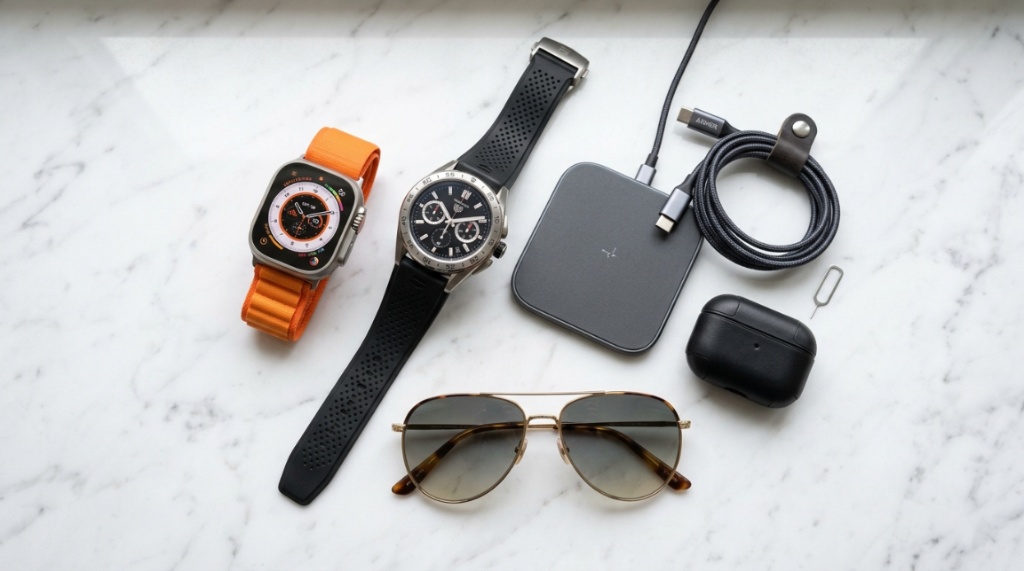
Battery life remains the biggest divider between casual and serious users. You must be realistic about your charging habits. A watch that dies mid-hike defeats the purpose of owning a luxury piece.
The Apple Watch Ultra and “Daily Charging” Reality
Even with the ultra-efficient S9 chip, heavy use (GPS + LTE + Always-On Display) yields roughly 36 hours of use. This means you will charge it every night if you use it heavily. If you can live with that, the seamless integration is unmatched. If not, this is a dealbreaker.
Garmin, Coros, and the Multi-Week Battery Champions
These sports-focused luxury brands have mastered power efficiency. The Garmin Fenix 8 series delivers up to 29 days in smartwatch mode and 84 hours in GPS mode. This is achieved through a hybrid display (less power-hungry pixels) and efficient SoCs. This allows you to go on a two-week trip without carrying a charger.
Hybrid Smartwatches: The Best of Analog and Digital Worlds
Models from Withings or Frederique Constant use a tiny digital display inside a traditional analog face. They offer heart rate tracking and notifications, but their battery lasts up to 30 days. You must be comfortable with very limited app functionality. These are fashion-first devices, not tech-first wearables.
How to Verify “Luxury” Credentials and Avoid Overpaying?
A higher price tag does not automatically guarantee a superior product. To avoid falling for marketing gimmicks, you need to look at specific certifications, testing standards, and the authenticity of the materials used.
Look for Military-Grade (MIL-STD-810) Compliance
This certification ensures the watch survived falls, vibration, and temperature extremes. Many $1,000+ watches hide behind this spec, but it is essential. Check the fine print to see if it covers thermal shock (which matters for desert heat) or just drops.
Check for Independent Sensor Validation (FDA Clearance)
If the watch claims to take an ECG or measure blood oxygen, see if these features have FDA clearance or evidence-based validation. This is crucial for medical-grade use. Brands like Apple, Garmin, and Withings are transparent about this. If a brand is vague, be skeptical.
Understand the True Cost of Ownership
Beyond the sticker price, consider the cost of proprietary bands, extended warranty plans, and battery replacement services. A watch with a glued-in battery that will degrade in two years is a liability. Ensure the brand offers battery replacement services for the long term.
Which Brand Offers the Best Resale Value in the Secondary Market?
Smartwatches depreciate faster than mechanical luxury watches. However, certain brands hold their value better than others due to consumer loyalty and continuous software support.
The Resale Stalwarts: Apple and Garmin
Apple Watches, especially the Ultra line, have good resale value because software updates are maintained for 5+ years. Garmin also holds value well because their hardware remains capable for years after release. If you upgrade every two years, choose these brands to maximize your return.
Niche Brands with Collector Followings
Brands like Hublot or TAG Heuer smartwatches have a lower resale value due to the fast evolution of the digital core. However, if it’s a limited edition tied to a famous event (like a special chronograph collaboration), collectors might pay a premium. This is speculative, not reliable.
Why Software Updates Dictate Longevity (and Value)
A watch is only as good as its software. Check if the brand has a track record of adding new features to older models. A brand that supports a 3-year-old watch with the latest features will obviously have a higher resale price than one that abandons it. This is the “silent” factor in value.
To see a curated selection of top-tier models that balance cost and performance perfectly for the California market, explore our comparison of the best luxury smartwatches for California.
Step-by-Step: The 2026 California Luxury Smartwatch Selection Process
Let’s create a simple, actionable checklist you can follow when you’re ready to purchase. This process takes about 30 minutes but saves you from months of buyer’s remorse.
Step 1: Audit Your Phone Ecosystem
If you have an iPhone, you are locked into the Apple Watch ecosystem for full functionality (replying to texts, using Walkie-Talkie). If you have an Android, a Garmin or a Wear OS watch is your only real choice. Do not buy a watch incompatible with your phone. This is the first filter.
Step 2: Define Your Top Three Weekly Activities
Write down the three activities you do most: 1) Work, 2) Gym, 3) Cycling. If cycling is number one, you need a watch that pairs with power meters. If working is number one, you need good notification handling. Prioritize these.
Step 3: Set a Budget for the Strap and Accessories
Decide on your main strap material. Do you want a sport loop for running? A leather strap for weddings? Factor in an additional $100-$300 for two extra straps if the watch doesn’t include them. This prevents you from being limited by your watch’s default band.
Step 4: Visit a Physical Store and Touch the Product
Don’t buy online directly. Go to a Best Buy, Apple Store, or authorized dealer. Feel the weight, test the crown action, and see how the screen looks under bright retail lighting. The “feel” of a luxury watch is a massive part of its appeal. If it feels cheap in the hand, it won’t feel better at home.
When Is the Best Time of Year to Buy to Get the Best Deal?
Timing your purchase can save you hundreds of dollars. Luxury smartwatches follow a predictable discount cycle that you can leverage.
The Black Friday and Cyber Monday Matrix
You can save up to 20-25% on Garmin and Apple models during these sales. However, inventory is often limited for the newest colors or variants. If you want the “latest” model, you might have to wait until January for the stock to normalize.
The “New Model Release” Drop
Apple typically releases new Watches in September. Immediately after, the previous generation drops in price by about $100. If you don’t need the newest sensor, buying the previous generation is a smart financial move. This is the most consistent way to save money.
The “Used/Open Box” Goldmine (Safely)
Many people buy luxury watches and return them within the 14-day window because it “didn’t fit” or they “changed their mind.” Retail stores like Best Buy sell these as “Open Box Excellent” with a full warranty. You can save up to 30% on a virtually untouched device.
Frequently Asked Questions
Are luxury smartwatches worth the extra cost compared to mid-range models?
Yes, if you value build material, sensor accuracy, and long-term software support. Luxury models use better screens, stronger titanium, and more precise sensors. They also integrate more exclusive exercise modes. For basic notifications, a mid-range watch is sufficient, but for high performance and durability, the higher cost is justified.
Can I use a luxury smartwatch with an iPhone even if it’s not an Apple Watch?
Yes, but with limitations. Garmin and other Wear OS watches work with iPhones but lose the ability to reply to messages (only view them), and you can’t use certain app integrations. You must use the manufacturer’s app, which is often less polished on iOS. For full integration, including quick responses, the Apple Watch is required.
How important is a “sapphire crystal” screen on a smartwatch?
Very important if you are prone to scratching your watch face. It is nearly impossible to scratch sapphire. It is more expensive and can sometimes reflect more glare than glass, but modern anti-reflective coatings solve this. For a luxury investment, it is a non-negotiable upgrade.
Is sleep tracking accurate on luxury smartwatches?
Yes, in 2026, sleep tracking accuracy has improved significantly. They can now distinguish between light, deep, and REM sleep with about 90-95% accuracy compared to clinical polysomnography. However, you must wear the watch properly and consistently. Comfort is key, so consider a lightweight strap material.
How often do I need to replace the battery in a luxury smartwatch?
For lithium-ion batteries, expect 2-3 years before you notice significant degradation (battery life dropping below 80% of original capacity). Apple offers battery replacements for a fee. Garmin offers replacement services too. It’s a cost to budget for but not a frequent one.
Is it safe to shower or swim with a luxury smartwatch?
Yes, most luxury smartwatches have a water resistance rating of at least 5 ATM, suitable for swimming. However, you should avoid pressing buttons underwater or exposing it to hot steam. Also, standards advises rinsing it in fresh water after saltwater exposure to prevent corrosion.
Conclusion: Your Perfect California Companion Awaits
Choosing the perfect luxury smartwatch in California for 2026 boils down to a simple equation: your lifestyle plus your phone ecosystem equals your smartwatch. We’ve walked you through the crucial checks—from material integrity against the coastal salt spray to battery capacities for your desert road trips. Don’t be seduced by a pretty face alone; demand durable technology that supports your health, connectivity, and style. Whether you decide on a multi-week endurance champion from Garmin, the deeply integrated Apple Ultra, or a stylish hybrid from a fashion house, the right choice is the one that simplifies your life. Now, take this knowledge, visit a store, feel the weight of the titanium, and make the decision that fits your wrist perfectly. Your ideal companion is waiting.




Leave a Reply