
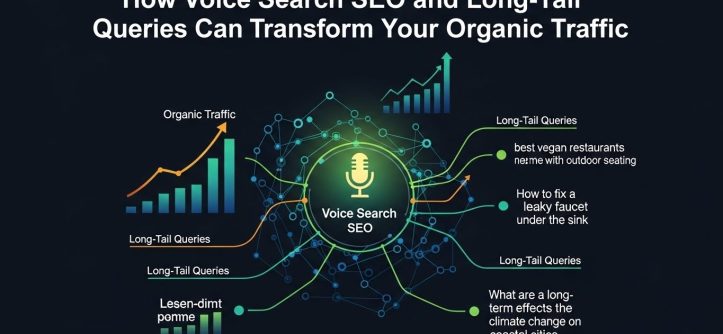
Voice search has become an essential part of how people interact with search engines today. With the rise of smart speakers, digital assistants, and mobile voice inputs, optimizing for voice search SEO isn’t just smart—it’s essential for long-term organic growth.
If your content isn’t ready for voice-based queries, you’re missing out on a major potential traffic source. In this guide, we’ll break down how long-tail voice queries are changing the SEO landscape, how search intent connects to conversational phrasing, and how you can use this to capture more organic traffic.
Understanding Voice Search SEO
Voice search SEO is the process of optimizing your content to perform better for voice-based searches conducted through digital assistants like Google Assistant, Siri, Alexa, or Cortana. Unlike traditional text queries, voice searches are longer, more conversational, and often question-driven.
For example, instead of typing “best smartphone 2025”, a voice user might ask, “What is the best smartphone to buy in 2025?”
Notice the difference? The voice query uses natural language, and this small change impacts how content should be written and optimized.
Why Voice Search Matters
The adoption of voice technology is growing rapidly:
-
Over 50% of adults use voice search daily.
-
Smart speakers are in millions of homes worldwide.
-
Mobile voice commands continue to dominate search behavior.
This shift means that more people are speaking to search engines rather than typing—driving a fundamental change in keyword structure and content optimization. Brands that understand this change can strategically position themselves for voice-driven discovery
How Long-Tail Queries Power Voice Search SEO
Long-tail keywords have always been powerful in organic SEO. But in the context of voice search, they become even more critical.
What Are Long-Tail Voice Queries?
Long-tail voice queries are extended, conversational search phrases often made up of five or more words. These queries reflect how people naturally speak and ask questions.
Examples include:
-
“What’s the best time to post on Instagram?”
-
“How do I make my website voice search friendly?”
-
“Which restaurants near me are open late tonight?”
These types of queries reveal clear search intent, which helps you deliver better answers and appear in both Google Featured Snippets and voice results.
The Connection Between Voice Search and Long-Tail Keywords
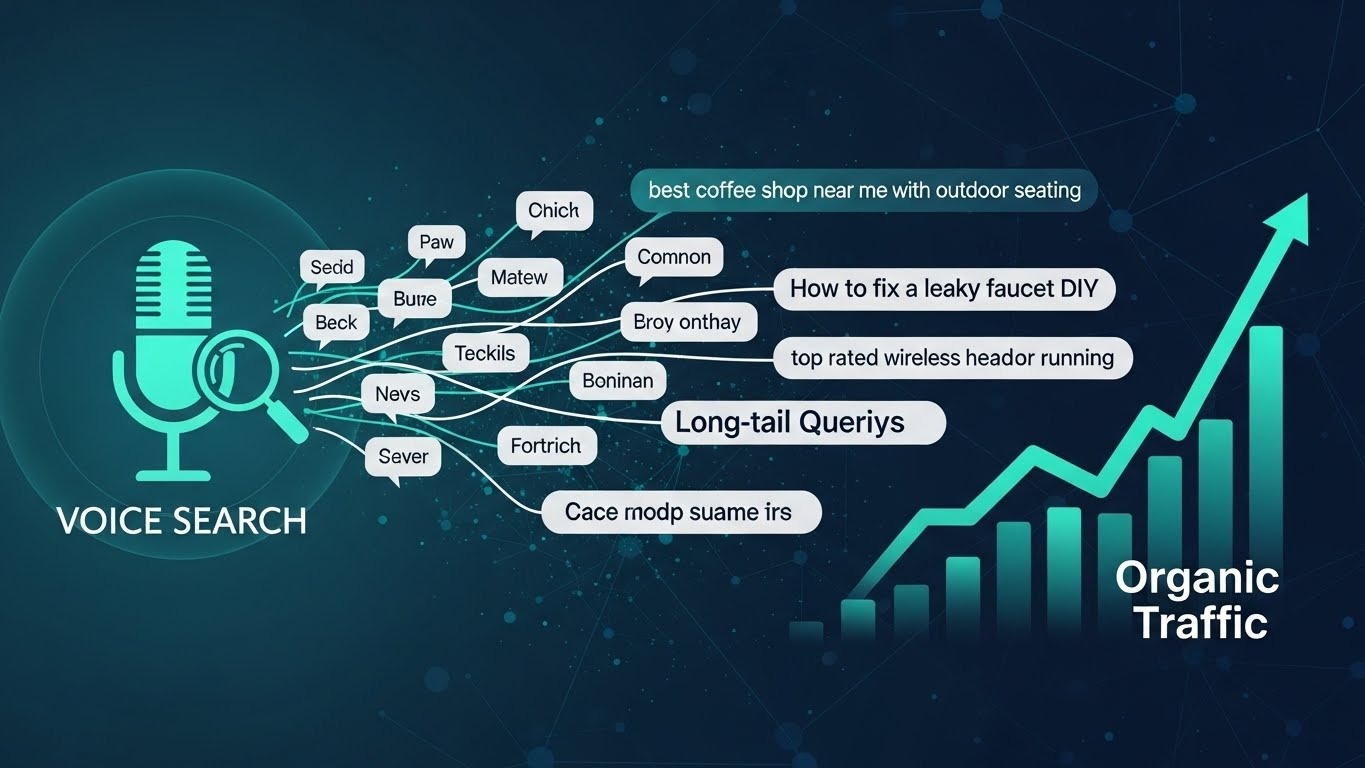
In traditional SEO, short keywords (like “voice SEO”) are highly competitive. But voice users rarely phrase searches that way. They speak naturally, turning searches into questions or full statements.
By focusing on long-tail keywords, your content aligns more closely with user intent and Google’s algorithm, which prioritizes context and human-like interaction.
Strategies to Optimize for Voice Search SEO
To rank better for voice-driven queries, you need a well-rounded optimization approach that blends technical SEO with high-quality, intent-driven content.
1. Focus on Conversational Content
When writing for voice search SEO, create content that feels like a natural conversation.
-
Use simple, direct sentences.
-
Include question-based headings (H2s and H3s).
-
Think about how people verbally phrase questions.
Try to answer the “who,” “what,” “when,” “where,” “why,” and “how” of your niche in a clear and concise manner.
2. Optimize for Featured Snippets
Voice assistants often pull answers from featured snippets (position zero). To increase your chances:
-
Use bullet points or tables for clarity.
-
Summarize answers in 40–50 words.
-
Include question-based subheadings.
Answering queries directly not only helps with snippets but also ensures your content is voice-friendly.
3. Target Local Voice Searches
Most voice queries are local in nature — like “coffee shops near me” or “best plumber in Chittagong.”
To capture this:
-
Optimize your Google Business Profile.
-
Include NAP (Name, Address, Phone number) consistency.
-
Use local phrases in your content naturally.
This approach boosts your visibility in “near me” searches, a powerful driver of local conversions.
4. Improve Page Speed and Mobile Experience
Speed and user experience are vital for both voice and text searches.
-
Compress images to reduce load times.
-
Use mobile-friendly layouts.
-
Implement core web vitals optimization.
Voice search users expect immediate answers—slow websites often lose visibility in voice results.
5. Use Schema Markup
Structured data helps search engines understand your content better. By adding schema markup (FAQ, How-To, LocalBusiness, etc.), you give Google clearer signals for what your page covers.
This markup increases your likelihood of being selected for featured snippets, voice results, and “People also ask” boxes.
Writing Style for Voice Search Content
Short, Clear Sentences
The easier your content is to read aloud, the better it performs in voice search. Aim for a readability score of Grade 7 or below using tools like Hemingway or Grammarly.
Natural Question Phrasing
Include common voice triggers like “how to,” “what is,” “best way,” and “where can I.” These mirror real queries made to voice assistants.
Structured Answers
Start answers immediately after each question.
Example:
Q: How can I improve voice search SEO?
A: By focusing on long-tail keywords, structured data, and conversational phrasing.
This mirrors how Google retrieves and delivers spoken answers.
Real-World Example: Voice Search and Long-Tail Success
Consider a small local business—a restaurant in Chittagong. Before optimizing, it relied mainly on standard keywords like “best restaurant Chittagong.”
After implementing voice search SEO and focusing on long-tail voice queries such as “Which restaurants in Chittagong offer dinner with a view?” the site began appearing for conversational searches.
The result?
-
A 35% increase in organic traffic.
-
More discovery through Google Assistant.
-
Higher ranking in local “near me” voice searches.
This illustrates that long-tail optimization bridges the gap between traditional SEO and voice-driven visibility.
Measuring Voice Search SEO Success
Tracking results from voice search can be tricky since analytics tools don’t label “voice queries” directly.
To measure success, use these indicators:
-
Growth in traffic from long-tail keywords.
-
Increase in impressions from question-based searches.
-
Higher appearance in Featured Snippets or FAQ-rich results.
-
Improved local visibility on Google Maps and Assistant.
With consistent optimization and conversational updates, you’ll notice more organic traction over time.
Common Mistakes to Avoid in Voice Search Optimization
-
Keyword stuffing. It makes your content sound robotic and reduces readability.
-
Ignoring user intent. Voice results must answer the question directly.
-
Neglecting mobile and page speed. Most voice searches happen on phones.
-
Skipping schema markup. Structured data is essential for featured voice answers.
-
Using overly formal language. Keep your tone conversational and relatable.
Future Trends in Voice Search SEO
Voice search will continue evolving with advancements in AI, natural language processing, and multimodal interfaces (voice + visuals).
Key trends to watch:
-
Smart home expansions: More devices integrated with AI voice assistants.
-
Personalized search: Tailored voice results based on user preferences.
-
Voice commerce: Shopping and bookings directly via voice interactions.
-
Multilingual optimization: Rising importance of local languages in Southeast Asia.
Staying active in adapting your content strategy will keep your site relevant and competitive.
Final Thoughts: Capture the Future with Voice SEO
The future of search is conversational. As more users rely on voice searches, aligning your SEO strategy with long-tail voice queries ensures you reach your audience exactly how they speak and think.
Voice search SEO isn’t just about ranking—it’s about helpfulness, clarity, and human connection. Start by identifying real questions your audience asks and deliver answers that speak their language.
Call to Action (CTA)
Ready to optimize your content for voice search?
Start by researching long-tail voice queries related to your niche and updating your existing posts with conversational tone, structured answers, and schema markup.
If you want expert help building your voice search SEO strategy, contact our team today and turn voice queries into real organic growth.
FAQs on Voice Search SEO
Q1. What is voice search SEO?
Voice search SEO is the practice of optimizing content to appear in search results triggered by voice commands through devices like Google Assistant or Alexa.
Q2. Why are long-tail queries important for voice search?
Long-tail queries mirror how people speak naturally, helping your content align with user intent and increasing the chances of being used in voice responses.
Q3. How can I find long-tail voice keywords?
Use tools like AnswerThePublic, AlsoAsked, or Google’s “People also ask” section to uncover conversational keyword patterns.
Q4. Does voice search affect local SEO?
Yes. Many voice searches are local (e.g., “near me” searches), so optimizing your business for local SEO directly impacts voice-based visibility.
Q5. How quickly can I see results from voice search optimization?
Results vary, but with consistent optimization, featured snippets, and schema usage, most websites notice improvements in 3–6 months.
Related Topics: 10 Hacking Strategies to Skyrocket Conversions on a Small Budget
Related Topics: How a School Website Can Help Build Community Spirit




Leave a Reply