
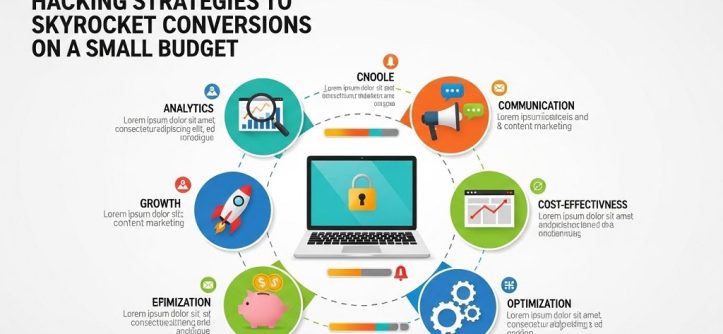
Every startup dreams of rapid growth, but limited marketing budgets often make traditional scaling strategies impossible. That’s where growth hacking strategies for conversions come in creative, data-driven methods that fuel fast, cost-efficient growth. Whether running a SaaS company or a small eCommerce startup, the right growth tactics can help you maximize results without overspending.
Below are 10 proven growth hacking strategies that have helped startups, small businesses, and SaaS brands dramatically boost conversions and revenue, even on a lean budget.
1. Use Data to Optimize Every Conversion Path
Growth hacking starts with understanding why people convert — and why they don’t. Data-driven decisions remove guesswork and help you scale efficiently.
Track Key Metrics That Matter
Focus on metrics such as:
-
Conversion rate per landing page
-
Customer acquisition cost (CAC)
-
Lifetime value (LTV)
-
Churn rate

Leverage Free Analytics Tools
Tools like Google Analytics, Hotjar, and Microsoft Clarity reveal user behavior, scroll depth, and click heatmaps. These insights uncover where users drop off and what features drive engagement the most — allowing you to refine your conversion funnels strategically.
2. Build High-Converting Landing Pages
Your landing page often determines whether visitors take action or bounce. For effective SaaS conversion hacks, a simplified design and focused messaging work best.
Principles of a Conversion-Optimized Landing Page
-
Clear headline highlighting the value proposition.
-
One CTA (Call to Action) above the fold.
-
Trust elements: testimonials, case studies, or client logos.
-
Fast loading speed (under 3 seconds).
Test various versions of your landing page using A/B testing to identify the most persuasive elements. Even small improvements—like button color or CTA placement—can dramatically increase conversions.
3. Leverage Social Proof to Build Instant Credibility
People trust other users more than marketing claims. Integrating startup growth hacking tips like social validation can instantly improve trust and conversion rates.
Creative Ways to Use Social Proof
-
Display real-time purchase notifications or “X people just signed up” pop-ups.
-
Add user-generated reviews, testimonials, and video case studies.
-
Share key stats like “Trusted by 50,000 startups worldwide.”
Social evidence reinforces credibility and helps first-time visitors confidently take the next step.
4. Build a Viral Referral Program
A well-structured referral system is one of the most budget-friendly growth hacking strategies for conversions. Dropbox famously grew its user base by 3,900% using this technique.
How to Design a Viral Referral Program
-
Offer dual incentives: both referrer and invitee benefit.
-
Keep the share process simple (1-click sharing links).
-
Track referrals with automated email follow-ups.
Even startups on tight budgets can leverage viral loops to attract new users at near-zero cost.
5. Use Content Marketing as a Growth Engine
High-value content attracts leads, nurtures them, and positions your brand as a thought leader. It’s one of the most underrated startup growth hacking tips for long-term success.
Create Different Types of Content
-
Educational blog posts solving user pain points.
-
Tutorials and how-to guides for your SaaS features.
-
Case studies that show customer wins.
-
Infographics or short videos for quick shareability.
Repurpose your top-performing content across channels to reach wider audiences and strengthen your SEO visibility—especially with strategic internal linking.
6. Gamify the User Experience
Gamification keeps users engaged and motivated. It’s one of the most effective SaaS conversion hacks because it turns interaction into enjoyment.
How to Introduce Gamification
-
Add progress bars for onboarding steps.
-
Reward users with badges or discounts upon milestones.
-
Show completion percentage to encourage next actions.
When users feel a sense of progression, they’re more likely to complete desired actions, reducing churn and boosting retention.
7. Use Email Segmentation for Personalized Conversions
Not all leads are the same. Segmenting your email list helps tailor messages to specific user behaviors and needs — increasing the odds of conversion.
Smart Email Segmentation Ideas
-
New users vs. returning customers.
-
Inactive users who haven’t logged in recently.
-
Cart abandoners or free trial users nearing expiration.
Craft personalized email sequences for each group. Use tools like Mailchimp or ConvertKit to automate workflows, nurturing relationships through educational and value-driven emails rather than salesy pitches.
8. Launch on Product Hunt and Startup Directories
Exposure on platforms like Product Hunt, BetaList, or AlternativeTo can significantly increase awareness without paid ads. This strategy is especially effective for SaaS startups.
Steps to Maximize Launch Success
-
Create an irresistible value proposition and concise tagline.
-
Prepare visuals, GIFs, and a demo video.
-
Engage the community early—comment, upvote others, and participate.
A strategic Product Hunt launch can bring in thousands of targeted visitors and valuable feedback—key assets for optimizing future campaigns.
9. Retarget Visitors Who Didn’t Convert
Most visitors won’t convert on their first visit, but that’s no reason to lose them. Retargeting brings them back into your funnel, improving your conversion odds.
Effective Retargeting Methods
-
Use Facebook Pixel and Google Tag Manager to create retargeting audiences.
-
Display personalized ads based on pages visited or actions taken.
-
Offer limited-time discounts or free trial extensions to re-engage prospects.
Retargeting makes your brand feel familiar, dramatically increasing the likelihood of conversion on subsequent visits.
10. Create a Community Around Your Product
A loyal community amplifies your brand message and drives sustainable growth. Beyond any hack, strong community engagement turns users into advocates.
How to Build an Engaged Community
-
Launch a private Slack or Discord group for users.
-
Host live Q&A sessions or webinars regularly.
-
Offer early access to new features for loyal members.
This engagement fosters belonging, improves retention, and organically drives referrals — the ultimate sign of sustainable growth.
FAQs About Growth Hacking Strategies for Conversions
What is growth hacking, and how does it boost conversions?
Growth hacking involves using creative, low-cost strategies to acquire and retain customers quickly. It emphasizes rapid experimentation and optimization to scale conversions effectively.
Which growth hacking strategies work best for SaaS startups?
The most effective SaaS conversion hacks often include automated onboarding flows, referral programs, email personalization, and freemium models designed to upsell later.
How can a startup apply growth hacking with a small budget?
Start by using free or low-cost tools for analytics, social media automation, and email marketing. Combine this with content marketing and referral incentives for the quickest impact.
Do these strategies apply only to digital startups?
No. While many examples come from SaaS and online startups, growth hacking strategies for conversions can benefit any business looking to improve metrics efficiently.
How can you measure growth hacking success?
Track key metrics such as conversion rate, CAC, and retention rate. Regular experimentation and reviewing performance data ensure that your strategy remains aligned with growth goals.
Final Thoughts + CTA
Growth hacking isn’t about expensive ads or complex funnels — it’s about smart tactics, creativity, and constant iteration. Whether you’re experimenting with email personalization, launching referral programs, or optimizing your landing pages, each strategy helps your startup or SaaS brand grow faster with fewer resources.
If you’re serious about scaling conversions on a limited budget, start implementing one or two of these strategies today.
Related Topics: How to Insert a Checkbox in Word (Developer Tab + Symbol Methods Explained)
Related Topics: What is the difference between laminate and LVT flooring?




Leave a Reply